Introduction
Air casters, also known as air bearings, are revolutionizing the movement of heavy equipment across various industrial sectors. By creating a thin, frictionless film of air under a load, these devices enable the smooth and nearly effortless transportation of extremely heavy machinery and sensitive components, thereby solving the challenges associated with traditional material handling. Industries seeking innovative solutions that strike a balance between strength and precision, such as semiconductor manufacturing and aerospace, are increasingly turning to air caster systems and modern innovations like suspension casters to enhance their operational flexibility and reliability. This article explores the top use cases for air casters in industrial operations, their benefits, and practical examples from leading organizations worldwide.
Unlike conventional wheel-based systems, air casters significantly reduce friction and floor wear, while providing omnidirectional mobility and minimizing human effort. As factories and advanced manufacturing sites pursue faster cycle times and more agile workflows, the adoption of air casters streamlines processes, reduces operational risks, and contributes to higher efficiency. The following sections explore the most impactful ways industries are utilizing air casters to achieve outstanding results, driven by the need for precision, cleanliness, and safety in modern production environments.
Enhancing Cleanroom Transport
Cleanrooms place rigorous demands on material transport standards, requiring absolute sterility to prevent contamination of sensitive products and substrates. Traditional rolling carts or trolleys often shed microscopic particles and can scuff delicate floors, posing threats to the integrity of both products and the environment. Air casters mitigate these risks by gliding on a cushion of air, keeping particulates at bay, and preserving surface quality. For example, aerospace companies and organizations like NASA use air casters to seamlessly move satellites from ultra-sterile labs to assembly and launch areas, thereby preserving the cleanliness and safety of the delicate technology.
Facilitating Heavy Machinery Relocation
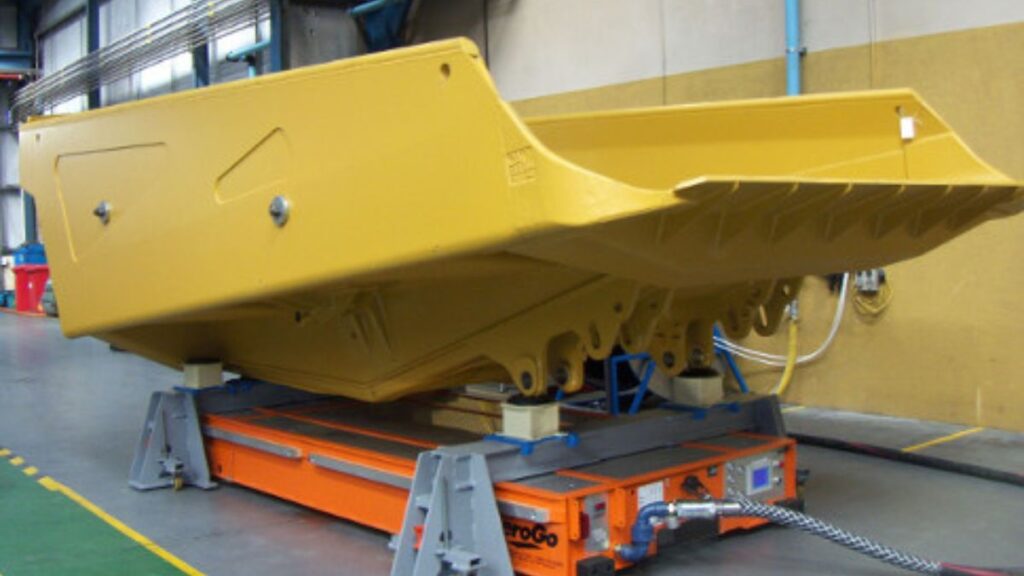
Relocating massive machinery within industrial facilities presents logistical challenges, including tight spaces, irregular building layouts, and restrictions on overhead rigging. Air casters, capable of supporting tens or even hundreds of tons, enable the repositioning of entire production lines or equipment modules with just a handful of operators. Their ability to maneuver in any direction eliminates the need for disassembling rigid machinery or employing cranes that may introduce safety hazards. Leading manufacturers utilize this technology to remain agile and minimize costly production interruptions during plant retooling or upgrades.
Protecting Factory Floors
High-point loads from wheeled vehicles and forklifts are a common source of floor damage in factories, often resulting in the need for expensive repairs and unplanned downtime. Air casters provide a gentler solution, distributing massive loads evenly across a wide contact area, thereby reducing pressure on epoxy coatings, tile, or specialty flooring. This protective quality makes them especially valuable in high-investment production environments such as electronics manufacturing or pharmaceutical plants, where even minor floor damage can disrupt precision processes.
Improving Safety in Assembly Processes
Safety remains a cornerstone of efficient production, especially when handling large structural components or hazardous assemblies. Traditional lifting methods, such as cranes or rigging, introduce considerable risk—suspended loads can swing, and mechanical failures may result in injury. Air casters keep heavy loads close to the ground, providing operators full control over movement and eliminating many of the dangers associated with vertical lifting. The use of air casters has been credited with significant reductions in workplace accidents and insurance costs in heavy industries.
Enabling Flexible Manufacturing Layouts
Modern manufacturing thrives on adaptability as product cycles become increasingly shorter and custom configurations become more commonplace. Air casters simplify the process of reconfiguring workstations, robotic cells, or entire process lines, enabling plant managers to respond swiftly to market demands. Instead of costly fixed rail systems or repeated capital investments in single-purpose equipment, air casters empower manufacturers to optimize floor space and workflow on the fly. This modularity supports lean manufacturing and continuous improvement strategies.
Supporting Heavy Load Handling in Aerospace
The aerospace sector, with its massive yet delicate components, is a natural fit for air caster technology. Moving assemblies, such as aircraft fuselages or jet engines, requires not only brute strength but also a gentle touch to avoid damaging surfaces or disrupting alignments. Air casters provide this balance, ensuring smooth, vibration-free transport and enabling precise positioning during integration. Their proven reliability underpins critical operations in leading aerospace manufacturing and maintenance centers.
Reducing Operational Costs
Adopting air caster systems contributes to cost savings by lowering labor requirements, reducing the need for multiple handling tools, minimizing floor repairs, and enabling more efficient space utilization. Their low maintenance demands and robust construction make them a cost-effective long-term investment, favored by industries prioritizing operational resilience as well as performance. The streamlined workflows and safety improvements they introduce translate directly into reduced downtime and overhead costs, supporting a stronger bottom line for manufacturing and logistics operations.
Final Thoughts
Air casters stand at the forefront of industrial handling technology, enabling safer, cleaner, and more flexible operations across numerous sectors. From pristine cleanrooms to heavy machinery shops and aerospace assembly lines, their versatility unlocks new possibilities in efficiency and process optimization. By integrating air casters, organizations significantly improve material flow, protect critical infrastructure, and cut costs—underpinning future-ready production environments that meet today’s industrial challenges.