You might be noticing that your pet’s breath is getting harder to ignore, or that they shy away when you touch their face, and a small part of you wonders if something more serious is going on. At the same time, you may feel guilty for not brushing their teeth as often as you meant to, and you are not alone in that. At our animal hospital in Richmond, TX, we know that most pet owners struggle with dental care at home, even when they love their animals dearly.end
Because of this, professional dental cleanings at an animal hospital can start to feel like one more thing on a long list. You may worry about cost, about anesthesia, or about whether it is truly necessary. The short answer is that regular dental cleanings for pets at animal hospitals are one of the most effective ways to protect your animal from pain, infection, and serious illness that often stay hidden until they are advanced.
So where does that leave you. It helps to understand what is actually happening in your pet’s mouth, how hospital dental cleanings work, and what choices you have moving forward, so you can make decisions that feel calm and informed instead of rushed and fearful.
What is really happening in your pet’s mouth and why does it matter?
It usually starts quietly. A little tartar near the gumline. A faint smell when your dog yawns or your cat meows. Because your pet keeps eating and playing, it is easy to push it to the back of your mind. Over time though, sticky plaque hardens into tartar, bacteria move under the gums, and the jaw and tooth roots can begin to suffer damage you cannot see from the outside.
This is where the stress builds. You might think, “If I cannot see a problem, maybe it is not that bad.” Yet animals are very good at hiding pain. They may simply chew on one side, eat slower, or sleep more. By the time you notice drooling, pawing at the mouth, or bleeding gums, disease is often advanced and treatment becomes more invasive and expensive.
So what is the risk if you do nothing. Untreated periodontal disease can lead to loose teeth, jaw fractures in small pets, chronic mouth pain, and infections that spread to the heart, liver, and kidneys. That is why veterinarians view professional pet dental care as medical care, not cosmetic care. Cleanings are about health and comfort, not about getting a “pretty smile.”
Why animal hospital dental cleanings are different from brushing at home
You might already be trying to brush your pet’s teeth or use dental treats, and that effort matters. Still, there are limits to what you can safely do at home. Brushing helps prevent plaque, but it cannot remove hardened tartar under the gumline. Chews and rinses support oral health, but they do not replace a full exam and cleaning by trained professionals.
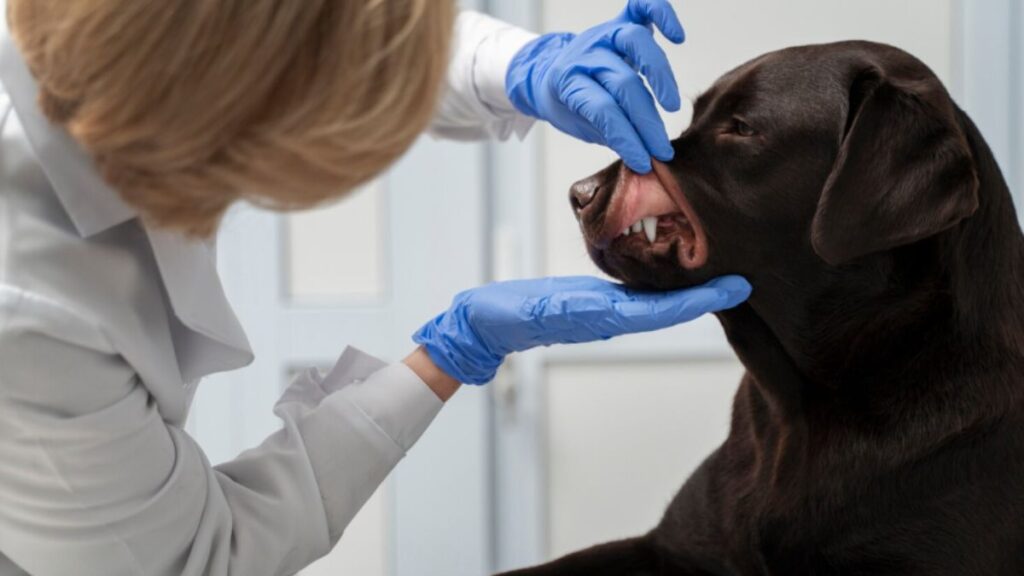
At an animal hospital, a dental cleaning is much more than a quick polish. Your pet is placed under general anesthesia so the veterinary team can clean every surface of every tooth, including below the gumline where disease hides. They can take dental X rays to see root and bone health, check for resorptive lesions in cats, and identify fractures or abscesses that are invisible to the naked eye.
This is where the emotional tension often shows up for owners. Anesthesia can feel frightening. You might worry about the “what ifs,” especially if your pet is older. A good veterinary team will screen your pet with bloodwork, tailor anesthesia protocols, and monitor them closely during and after the procedure. While no medical procedure is without some risk, the risk of untreated dental disease is often higher and far more painful for your pet over time.
If you are unsure what products actually help between professional cleanings, you can look for those approved by the Veterinary Oral Health Council. Their list of accepted products for plaque and tartar control is available on the Veterinary Oral Health Council website, which can give you some peace of mind when you stand in front of a crowded pet store shelf.
What about cost, timing, and “how often” for pet dental care?
It is natural to ask how often your animal really needs a hospital dental cleaning and what it will cost over time. The honest answer is that it depends on species, breed, age, and individual risk. Small dog breeds, brachycephalic breeds, and many cats develop significant dental disease earlier than large dogs. Some pets need cleanings every year. Others can safely go longer under close veterinary guidance.
Financially, it can feel like a lot to pay for anesthesia, X rays, and cleaning when your pet seems fine. Yet when you compare that to the cost of multiple extractions, treatment for oral infections, or hospitalization for related organ problems, preventive care usually costs less and causes less stress for both you and your pet.
So how do you weigh home care against professional care in a clear way. It can help to look at a straightforward comparison.
Comparing home care, grooming “cleanings,” and animal hospital dental cleanings
Many owners are offered teeth brushing at groomers or “anesthesia free” dental cleanings and wonder if that is enough. The differences are significant.
| Option | What it includes | What it cannot do | Best use |
|---|---|---|---|
| Home care (brushing, chews, rinses) | Daily or frequent plaque control on visible tooth surfaces. Can use products recognized by the Veterinary Oral Health Council resources. | Cannot remove hardened tartar. Cannot clean under the gumline. Cannot diagnose dental disease. | Essential between professional cleanings. Helps slow disease and extend the time between hospital visits. |
| Groomer brushing or “anesthesia free” scraping | Surface cleaning on awake animals. Some tartar removed from visible areas. | No X rays. No under the gumline cleaning. Cannot safely treat painful or advanced disease. Risk of stress or oral injury. | Cosmetic improvement only. Does not replace veterinary dental care. Not suitable for managing real disease. |
| Professional dental cleaning at an animal hospital | Full exam under anesthesia. Under gumline cleaning. X rays. Polishing. Extractions or treatment if needed. | Needs anesthesia. Requires scheduling and budget planning. | Gold standard for diagnosing and treating dental disease. Foundation of a long term oral health plan. |
When you see the differences side by side, it becomes clearer why professional veterinary dental cleanings are not interchangeable with at home care or quick cosmetic cleanings. Each has a role, yet only hospital based dentistry can actually address disease below the surface.
Three practical steps you can take right now
-
Schedule a dental focused exam
Even if you are not ready to commit to a full cleaning, start with a veterinary visit that focuses on your pet’s mouth. Ask for a dental grade assessment. Your veterinarian can show you visible tartar, gum redness, or loose teeth, and can discuss whether X rays and cleaning are recommended now or can safely wait. This gives you a clear baseline instead of guessing.
-
Start a simple, realistic home care routine
Pick one or two things you can actually stick with. That might be brushing your pet’s teeth a few times a week using pet safe toothpaste, or using a VOHC accepted dental chew daily. Even partial consistency helps. Start slow so your animal learns to tolerate handling around the mouth. Reward them with calm praise and a treat afterward so it becomes a predictable routine rather than a struggle.
-
Plan ahead for professional cleanings
Once you know your pet’s needs, you can plan instead of reacting to emergencies. Ask your veterinary team for a rough schedule of how often they expect to recommend professional pet teeth cleaning based on your animal’s age and risk factors. You can then set aside a small amount of money each month, consider pet insurance that covers dental, or time the procedure when it fits best with your personal and financial schedule. Planning turns a scary unknown into a manageable project.
Moving forward with more clarity and less guilt
Caring for your pet’s mouth is not about being a perfect owner. It is about noticing where you are today, understanding what your options really are, and taking the next small step that protects your animal’s comfort and health. Dental disease is common and often silent, which can make you feel like you have already “failed” by the time you notice a problem. You have not. You are paying attention now, and that matters.
When you combine thoughtful home care with regular animal hospital dental services, you give your pet a better chance at a life with less pain, fewer infections, and more energy for the things they love. If you are unsure where to start, reach out to your local animal hospital, ask for a dental exam, and bring your questions. Your concerns are reasonable, and a good veterinary team will walk through them with you so you can choose what feels right for both you and your pet.