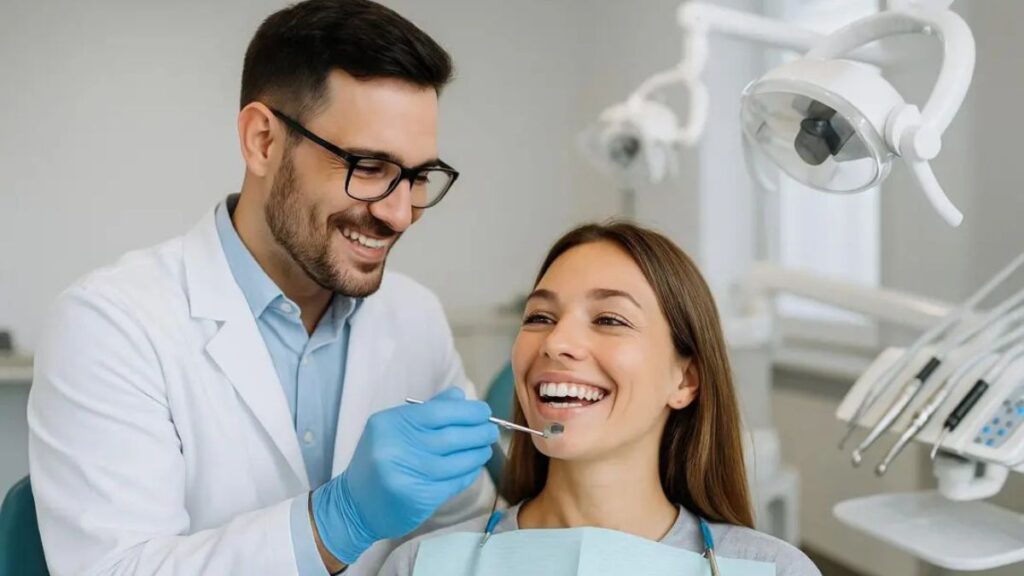
You might be feeling a little pulled in two directions. On one hand, you want a Joliet dentist who keeps your family’s teeth healthy and free from pain. On the other, you care how your smile looks in photos, at job interviews, or at your child’s school events. It can feel like you need two different dentists to cover it all, which is tiring, expensive, and confusing.
Because of this tension, you might wonder if there is a way to have both. A place where your family gets checkups, cleanings, and cavity care, and at the same time small cosmetic improvements that help everyone feel more confident. That is exactly where how family dentistry combines preventive and cosmetic services seamlessly comes in. You are not choosing between health and appearance. You are choosing care that respects both.
In simple terms, a good family dentist focuses first on prevention, then uses cosmetic options to protect and enhance what you already have. You get fewer emergencies, fewer surprises, and a smile that looks like you take care of it, because you do.
Why Does Choosing A Family Dentist Feel So Complicated?
Think about the last time you tried to schedule dental care. Maybe a child had a toothache, you were overdue for a cleaning, and you were also quietly bothered by a dark filling or a chipped tooth. It can feel like you are juggling three different problems with one appointment slot and a limited budget.
The emotional side is real. You might feel guilty for postponing cleanings, embarrassed about stains or crooked teeth, or worried that cosmetic work is “just vanity” when there are bills to pay. At the same time, you want your teenager to feel comfortable smiling in photos and your younger child to avoid the drill altogether if possible.
Financially, the choices can be confusing. Preventive services like exams, cleanings, and X-rays are often partly covered by insurance. Cosmetic treatments, such as whitening or veneers, are often not. It is easy to think you must choose only what insurance covers, even if your confidence is taking a hit.
So where does that leave you?
It helps to see how family dentistry, when done well, does not split preventive and cosmetic care into separate boxes. Instead, it weaves them together so each visit supports both health and appearance.
How Do Preventive And Cosmetic Treatments Work Together In Family Dentistry?
Preventive care is the foundation. That means regular checkups, professional cleanings, fluoride treatments, and sealants where they make sense. The goal is to stop problems before they start. Research-backed guidance from sources like the California Dental Association’s preventive care recommendations shows that consistent prevention lowers the chance of cavities, gum disease, and tooth loss.
Cosmetic care, on the other hand, focuses on how your teeth look. That can include whitening, bonding small chips, replacing old visible fillings with tooth colored materials, or aligning teeth so they are easier to clean and more attractive. Many of these services sit at the edge of both worlds. For example, straight teeth are not only more attractive. They are also easier to brush and floss, which supports long term health.
Modern family dentistry combines these in small, thoughtful ways. During a routine exam, the dentist might notice an old metal filling on a front tooth that is still functional but quite visible. You can talk about whether to replace it with a tooth colored filling during your next visit. That is both preventive and cosmetic. It maintains the tooth’s strength, while improving your smile.
If you look at how general and family practices describe their services, such as those listed by the University of Illinois Chicago’s general and family dentistry clinic, you will see this mix. They emphasize cleanings, exams, and restorations, and also describe options that affect appearance, like tooth colored materials and smile improvements.
Even the way dentistry is classified reflects this overlap. In medical subject headings, family practice dentistry is defined by ongoing, broad care for all ages. That naturally includes both preserving oral health and addressing appearance when it affects quality of life.
What Happens When You Ignore One Side Or The Other?
To understand why a family dentist who blends both is so helpful, it can be useful to imagine two common paths.
First path. You focus only on emergencies and obvious pain. You skip cleanings, put off small fillings, and think you will whiten or “fix your smile” someday. Over time, plaque hardens, gums get inflamed, and small cavities turn into bigger ones that need crowns or root canals. Cosmetic options become more limited and more expensive, and you may end up feeling that your smile no longer matches how you see yourself.
Second path. You chase cosmetic quick fixes without a strong preventive base. You whiten teeth that have untreated decay, you straighten teeth while ignoring gum health, or you replace visible fillings without addressing grinding or clenching at night. Things might look better for a while, but small untreated problems grow underneath, and you may face pain or damage later.
The goal of combined preventive and cosmetic family dental care is to avoid both extremes. You get regular, steady maintenance that protects your teeth, along with thoughtful cosmetic touches that support your confidence and your long term health.
How Do Preventive Vs Cosmetic Choices Compare In Everyday Life?
To make this more concrete, here is how common decisions can look when you consider both sides together.
| Situation | Purely Preventive Approach | Purely Cosmetic Approach | Blended Family Dentistry Approach |
|---|---|---|---|
| Child with deep grooves in back teeth | Sealants to block food and bacteria | No action until something looks wrong | Sealants plus discussion about brushing and diet to keep teeth strong and clean looking |
| Adult with stained front teeth and overdue cleaning | Cleaning only, no whitening | Whitening without cleaning or cavity check | Cleaning and exam first, then safe whitening plan based on gum and enamel health |
| Old metal filling on a front or side tooth | Leave it as long as it is not decayed | Replace only for cosmetic reasons | Replace with tooth colored material when it starts to wear, improving strength and appearance together |
| Crooked teeth that are hard to clean | Teach extra brushing and flossing tricks | Straighten teeth mainly for looks | Use alignment to improve both cleaning access and smile confidence |
When your dentist views each decision through both lenses, you do not feel pressured into “extras.” Instead, you see how each step protects your health and supports how you want to present yourself.
What Can You Do Right Now To Move Toward Healthier, Better Looking Smiles?
You do not need to overhaul everything at once. A few focused steps can shift your family toward care that respects both health and appearance.
1. Schedule a true preventive visit, not just a “quick check.”
Ask for a full exam and professional cleaning for yourself and your family members. During the visit, invite the dentist to walk you through what they see on both sides. You can ask questions like:
- “If we do nothing for the next year, what is most likely to cause problems?”
- “Are there small cosmetic changes that would also support my oral health?”
- “Which issues are urgent, and which are more about comfort or appearance?”
This helps you build a clear plan instead of reacting to emergencies.
2. Prioritize habits that protect both health and appearance.
Daily choices matter more than any single treatment. Focus on:
- Brushing twice a day with fluoride toothpaste and flossing once a day.
- Limiting frequent sipping of sugary drinks that stain and feed bacteria.
- Using mouthguards for sports or nighttime grinding when recommended.
These habits reduce cavities and gum disease and also reduce staining, chipping, and uneven wear that affect how your smile looks.
3. Plan cosmetic improvements around preventive milestones.
If you are considering whitening, bonding, or replacing old fillings, time those steps with your preventive care. For example, whiten after a cleaning, not before. Replace worn fillings when your dentist sees early signs of breakdown, not after they crack. Spread out treatments in a way that fits your budget and your insurance cycle.
By tying cosmetic care to your regular visits, you stay in control. You protect your teeth while moving toward the smile you want, at a pace that feels realistic.
Where Do You Go From Here?
You do not need to choose between a healthy mouth and a confident smile. A well chosen family dentist can help you build both at the same time, visit by visit. When preventive care is steady and thoughtful, cosmetic options become safer, simpler, and often more subtle. You feel less like you are “fixing” things and more like you are maintaining something you value.
The next step is simple. Schedule a preventive checkup, be honest about what bothers you about your teeth, and ask how your dentist approaches combining prevention with appearance. With the right support, your family’s smiles can stay strong, comfortable, and quietly beautiful for years to come.