Introduction
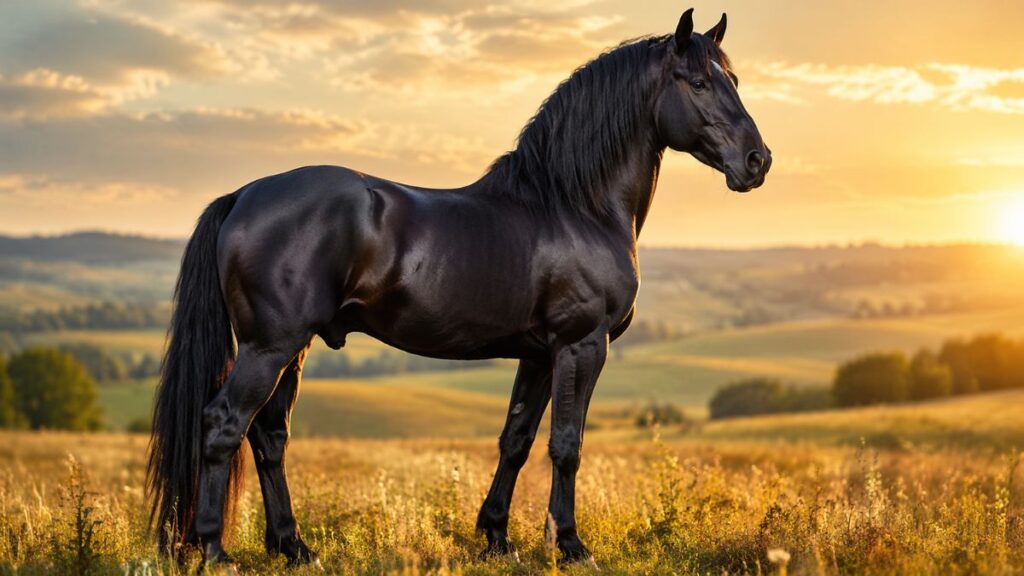
The term bk horse often sparks curiosity among horse enthusiasts and beginners alike. While it may sound like a breed or specific classification, it is commonly used as shorthand for a black horse—one of the most striking and admired horses in the world. Known for their deep, glossy coats and commanding presence, black horses have captured attention in history, sports, and culture.
In this guide, you’ll learn everything about bk horses—from their characteristics and breeds to care tips, training insights, and performance advantages. Whether you’re considering owning one or simply want to understand their appeal, this article covers it all in a clear, practical way.
What Is a BK Horse?
A bk horse typically refers to a black-colored horse, not a specific breed. The “bk” abbreviation is commonly used in informal settings, equestrian notes, or online searches.
Key Characteristics of Black Horses
- Solid black coat with no brown tones
- Dark mane and tail
- Dark skin pigmentation
- Brown or dark eyes
- High shine when properly groomed
Black horses are genetically unique because maintaining a true black coat requires specific genetic combinations.
Popular Breeds That Can Be BK Horses
Many horse breeds can produce black-coated horses. However, some are especially known for this striking color.
Common Black Horse Breeds
| Breed Name | Origin | Key Traits | Common Uses |
|---|---|---|---|
| Friesian | Netherlands | Elegant, long mane, muscular | Dressage, carriage |
| Andalusian | Spain | Agile, strong, intelligent | Dressage, show |
| Percheron | France | Large, powerful draft horse | Farm work, pulling |
| Morgan | United States | Compact, versatile | Riding, driving |
| American Quarter Horse | United States | Fast, muscular, adaptable | Racing, ranch work |
These breeds highlight that the “bk horse” label refers to color, not lineage.
Why BK Horses Stand Out
Black horses are admired for both their appearance and symbolism. Their sleek, dark coats often represent elegance, power, and mystery.
Visual Appeal
- Reflects light beautifully
- Appears more muscular due to color contrast
- Creates a strong presence in competitions
Cultural Symbolism
- Strength and authority
- Mystery and elegance
- Freedom and wild spirit
Because of these qualities, bk horses are often featured in films, art, and high-level equestrian events.
Goutabio: Complete Guide to Benefits, Uses, and Practical Strategies
Caring for a BK Horse
Owning a black horse requires slightly more attention to grooming and maintenance, especially to preserve that rich coat color.
Grooming Essentials
| Grooming Task | Frequency | Purpose | Tips |
|---|---|---|---|
| Brushing | Daily | Removes dirt, adds shine | Use soft brushes |
| Bathing | Weekly/bi-weekly | Keeps coat clean | Avoid over-washing |
| Mane & Tail Care | 2–3 times/week | Prevent tangles | Use conditioner |
| Hoof Cleaning | Daily | Prevent infection | Check for debris |
Feeding Tips
A balanced diet plays a huge role in coat health. Focus on:
- High-quality hay
- Omega-3 supplements
- Proper hydration
- Mineral-rich feed
A healthy diet results in a shinier, darker coat.
Training and Performance
BK horses perform just as well as any other horse, but their visual presence often gives them an edge in competitions.
Best Uses for BK Horses
- Dressage competitions
- Show jumping
- Trail riding
- Ranch work
- Carriage driving
Training Considerations
- Consistent routines build trust
- Positive reinforcement works best
- Early socialization improves temperament
Black horses are often associated with spirited personalities, but this depends more on breed and training than color.
Pros and Cons of Owning a BK Horse
Advantages
- Stunning appearance
- High demand in shows and photography
- Strong visual presence
- Often associated with premium breeds
Disadvantages
- Shows dust and dirt easily
- Requires frequent grooming
- Coat can fade under sunlight
- Slightly higher maintenance
Common Mistakes to Avoid
Many new horse owners overlook key aspects when caring for a black horse.
Mistakes
- Skipping regular grooming → leads to dull coat
- Overexposure to sun → causes fading
- Poor nutrition → affects coat quality
- Using harsh shampoos → damages natural oils
Avoiding these mistakes ensures your bk horse stays healthy and visually impressive.
Best Practices for Maintaining a BK Horse
Coat Maintenance Strategy
| Practice | Benefit | Recommended Frequency |
|---|---|---|
| Use coat conditioners | Enhances shine | Weekly |
| Provide shade | Prevents sun bleaching | Daily |
| Balanced diet | Supports coat health | Ongoing |
| Regular grooming | Maintains cleanliness and shine | Daily |
Additional Tips
- Use fly sheets to protect the coat
- Avoid excessive washing
- Choose high-quality grooming tools
- Monitor seasonal coat changes
Practical Example: Daily Routine
Here’s a simple routine for maintaining a bk horse:
Morning:
- Check water and feed
- Quick grooming session
- Inspect hooves
Afternoon:
- Exercise or training
- Light brushing
Evening:
- Clean coat if needed
- Final health check
Consistency is key to maintaining both health and appearance.
Conclusion
A bk horse, commonly referring to a black horse, is more than just a beautiful animal—it represents strength, elegance, and versatility. While they require a bit more care to maintain their stunning appearance, the reward is a horse that truly stands out in any setting.
From choosing the right breed to maintaining proper grooming and nutrition, owning a black horse can be an incredibly fulfilling experience. With the right knowledge and care routine, your bk horse will remain healthy, vibrant, and impressive for years to come.
FAQs
1. What does bk horse mean?
A bk horse typically refers to a black horse, describing its coat color rather than breed.
2. Are black horses rare?
True black horses are less common than other colors due to specific genetic requirements.
3. Do black horses require special care?
Yes, they need more grooming and protection from sunlight to maintain their coat.
4. Which breed is best for a black horse?
Friesian and Andalusian breeds are especially known for their black coats.
5. Why do black horses fade in sunlight?
UV exposure can cause their coat to turn slightly brown or reddish over time.