Introduction
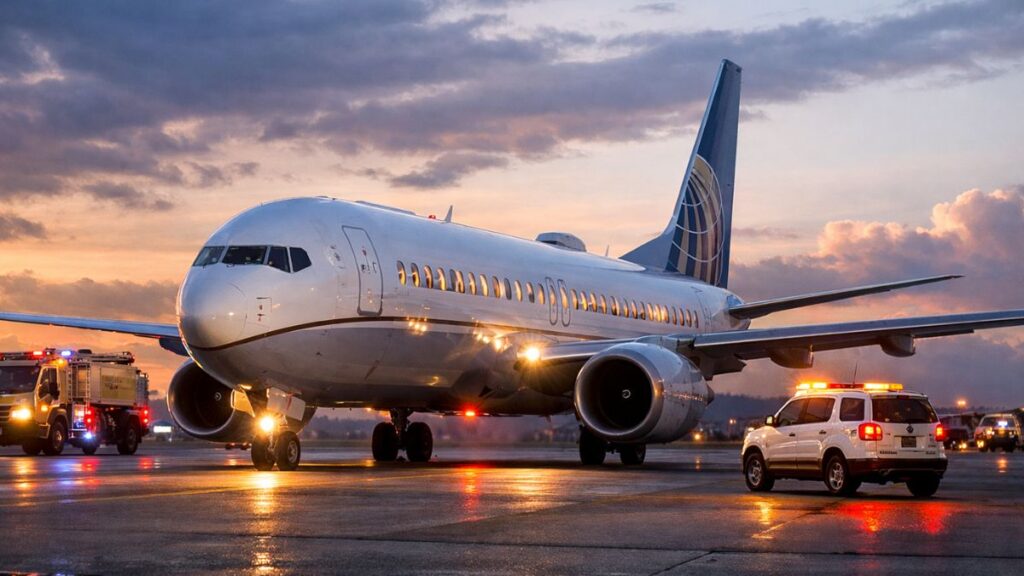
The United Flight UA109 diversion has sparked widespread interest among travelers, aviation enthusiasts, and frequent flyers alike. When a commercial flight unexpectedly changes course, it raises immediate questions—what caused it, how safe was it, and what does it mean for passengers?
In this detailed guide, we break down everything you need to know about the incident. From possible causes to passenger rights and airline protocols, this article provides a clear and practical explanation in simple terms.
What Is a Flight Diversion?
A flight diversion occurs when an aircraft must land at a different airport than originally planned. While it may sound alarming, diversions are actually a standard safety procedure in aviation.
Common Reasons for Diversions
- Medical emergencies onboard
- Technical or mechanical issues
- Severe weather conditions
- Security concerns
- Air traffic control restrictions
Definition
A flight diversion is when an aircraft changes its destination mid-flight due to safety, operational, or emergency reasons.
United Flight UA109 Diversion: What Happened?
The United Flight UA109 diversion involved a mid-flight decision by the crew to reroute the aircraft to an alternate airport. While full details may vary depending on official reports, such decisions are always made with passenger safety as the top priority.
Key Highlights of the Incident
| Factor | Details |
|---|---|
| Flight Number | UA109 |
| Airline | United Airlines |
| Situation | Mid-flight diversion |
| Primary Goal | Passenger and crew safety |
| Outcome | Safe landing at alternate airport |
Passengers reported a smooth landing, which reinforces the effectiveness of airline emergency protocols.
Why Do Airlines Divert Flights?
Diversions are not random—they follow strict aviation guidelines. Let’s explore the most likely causes.
1. Medical Emergencies
If a passenger or crew member requires urgent medical attention, pilots will divert to the nearest suitable airport.
2. Technical Issues
Even minor technical irregularities can trigger a diversion as a precaution.
3. Weather Disruptions
Storms, turbulence, or low visibility can make the original destination unsafe.
4. Security Concerns
Any potential threat onboard leads to immediate rerouting.
Comparison of Diversion Triggers
| Cause | Frequency | Risk Level | Immediate Action |
|---|---|---|---|
| Medical Emergency | High | Medium | Land ASAP |
| Mechanical Issue | Medium | High | Inspect aircraft |
| Weather | High | Medium | Reroute |
| Security Threat | Low | Critical | Emergency landing |
What Happens During a Flight Diversion?
When a diversion occurs, the process is highly structured and controlled.
Step-by-Step Process
- Pilot identifies issue
- Crew informs air traffic control
- Alternate airport is selected
- Passengers are notified
- Aircraft lands safely
- Ground support takes over
Passenger Experience
Passengers may notice:
- Sudden announcements
- Change in flight direction
- Possible delay in arrival
However, cabin crew are trained to keep everyone calm and informed.
Passenger Rights During a Diversion
One of the biggest concerns travelers have is: What are my rights?
Key Passenger Protections
| Situation | Passenger Entitlement |
|---|---|
| Long delay | Meals or refreshments |
| Overnight stay | Hotel accommodation |
| Missed connection | Rebooking assistance |
| EU/UK flights | Compensation (in some cases) |
Important Note
Compensation depends on the cause. If the diversion is due to extraordinary circumstances (like weather), airlines may not be required to pay compensation.
Pros and Cons of Flight Diversions
Pros
- Ensures passenger safety
- Prevents larger emergencies
- Allows quick response to critical issues
- Maintains aviation safety standards
Cons
- Travel delays
- Missed connections
- Passenger inconvenience
- Additional stress
Common Mistakes Passengers Make
Even seasoned travelers sometimes react poorly during diversions.
Avoid These Mistakes
- Ignoring crew instructions
- Panicking unnecessarily
- Not checking rebooking options
- Skipping travel insurance
- Failing to keep receipts for reimbursements
Best Practices for Travelers
To handle situations like the United Flight UA109 diversion, preparation is key.
Smart Travel Tips
- Always carry essentials in hand luggage
- Keep your phone charged
- Know your airline rights
- Stay calm and follow crew guidance
- Use airline apps for updates
Quick Checklist
| Tip | Why It Matters |
|---|---|
| Travel Insurance | Covers unexpected costs |
| Portable Charger | Stay connected |
| Snacks & Water | Comfort during delays |
| Flexible Plans | Easier rescheduling |
How Airlines Handle Diversions
Airlines follow strict international aviation protocols to ensure safety.
Behind the Scenes
- Continuous aircraft monitoring
- Communication with ground control
- Emergency preparedness training
- Rapid response teams at airports
This system ensures that even unexpected events are handled smoothly.
Real-Life Impact of the UA109 Diversion
The United Flight UA109 diversion highlights how modern aviation prioritizes safety above all else.
What We Learned
- Diversions are precautionary, not failures
- Airline crews are highly trained
- Passenger safety always comes first
- Communication plays a crucial role
Conclusion
The United Flight UA109 diversion serves as a strong reminder that aviation safety systems work exactly as designed. While diversions can be inconvenient, they are often the safest and most responsible decision a flight crew can make.
Understanding why diversions happen—and how to respond—can make you a more confident and prepared traveler. Next time you hear about a flight diversion, you’ll know it’s not a crisis—it’s a precaution.
FAQs
1. Why was United Flight UA109 diverted?
Flight diversions typically occur due to safety concerns such as medical issues, weather, or technical checks.
2. Is a flight diversion dangerous?
No, diversions are safety measures designed to prevent risks and ensure a safe landing.
3. Do passengers get compensation after a diversion?
It depends on the reason. Compensation is usually not provided for weather or emergencies.
4. How long do diversions delay flights?
Delays vary from a few hours to overnight, depending on the situation.
5. Can I claim a refund after a diverted flight?
Refund eligibility depends on airline policies and the cause of the diversion.
Continue reading this topic in detail on Astrology Cosmos for more expert insights and updates.