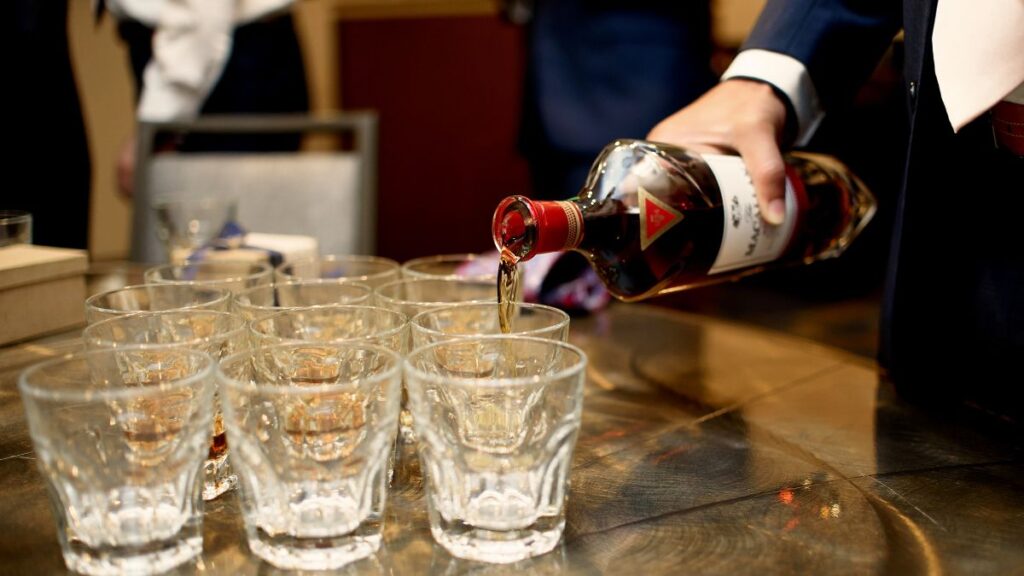
Introduction to Spirit Tasting
Embarking on the world of spirit tasting is more than simply enjoying a drink; it’s a sensory exploration that reveals a tapestry of flavors and aromas with every sip. Whether you’re gathering with friends or savoring a quiet evening alone, understanding the art of tasting enhances every experience, transforming ordinary moments into memorable rituals. For those seeking to expand their palate or discover locally crafted options, exploring craft spirits Tonasket, WA can introduce you to unique and distinctive spirits that embody the character of their region.
Spirit tasting is not reserved for experts; anyone can begin their journey by learning to appreciate the complexities in each glass. By engaging all your senses, from sight and smell to taste and touch, you’ll soon find yourself recognizing layers of flavor that make every sip remarkable. This guide will walk you through each step, from selecting the ideal environment to documenting your discoveries for future reference.
Setting the Stage: The Ideal Environment
The atmosphere in which you taste spirits greatly influences your ability to perceive subtle notes and aromas. Choose a calm, quiet space free of powerful odors and distractions, which allows your senses to focus entirely on the spirit in hand. Good lighting—preferably natural or soft white—gives you a true sense of color and clarity, enabling you to assess the spirit’s qualities visually. Optimal tasting occurs at room temperature, generally between 18 °C and 22°C (64°F and 72°F), which is comfortable for both the nose and palate.
Glassware matters; using a tulip-shaped or Glencairn glass concentrates aromatic compounds, letting you appreciate each scent profile more deeply. Avoid using wide or thick glasses, as these disperse aromas and diminish the tasting experience. Setting up your tasting session thoughtfully ensures you don’t miss any nuances the spirit has to offer.
Visual Examination: Observing the Spirit
Before the first taste, hold your glass to the light and observe the spirit closely. Please note its color, which can indicate its age and the length of time it has spent in a barrel. A golden whiskey or cognac may have been aged for years, while clear spirits like gin or vodka are typically unaged. Look for clarity and brilliance, indicating the skillful distillation and filtration that contribute to its overall quality.
Slowly swirl the spirit in the glass and watch its viscosity—or the way it clings to the sides. These “legs” or “tears” provide clues about alcohol content and mouthfeel; thicker legs often mean a richer texture or higher proof.
Aromatic Assessment: Engaging the Nose
Much of what we perceive as taste is actually aroma. Gently swirl the spirit, releasing its bouquet of volatile compounds. Hover your nose just above the rim and softly inhale, mouth slightly open to help diffuse strong alcohol vapors. Try to identify the dominant aromas—fruity, floral, herbal, spicy, or smoky notes all contribute to the complexity of a spirit.
Seasoned tasters spend time exploring the nose of a spirit, returning to the glass multiple times as new aromas emerge. This step creates anticipation and sets the stage for what’s to follow.
Tasting Techniques: Savoring the Flavor
With anticipation built by sight and smell, take a small sip and let the spirit wash across your palate. Notice how flavors bloom and shift as the spirit interacts with your taste buds. Sweetness, acidity, bitterness, and savory elements all play roles in constructing the spirit’s personality. The mouthfeel—whether creamy, oily, sharp, or dry—adds another layer of experience.
Let the spirit linger for a moment before swallowing, observing how initial impressions give way to secondary notes. Each spirit tells its story through this evolving flavor journey.
The Finish: Appreciating the Aftertaste
The experience doesn’t end once you swallow. A fine spirit leaves a lasting impression in the finish, an echo of flavor that persists and evolves over time. Some spirits linger with warm spice or hints of dark chocolate, while others fade quickly and cleanly. The complexity and duration of the finish often highlight the quality of the spirit, inviting reflection on how the flavors unfold from start to finish.
Enhancing the Experience: Adding Water
Adding a few drops of water to your spirit can reveal hidden layers and soften the intensity of higher-proof options. Water helps unlock subtle aromas and flavors that may be masked by alcohol, making the spirit more approachable and nuanced. Experiment with different amounts—just a drop or two is sometimes all it takes to transform the profile. This technique works especially well with cask-strength whiskeys and other robust spirits.
Documenting Your Impressions: Keeping a Tasting Journal
Building a tasting journal helps you develop a deeper appreciation for spirits over time. Record every detail—the distillery, style, age statement, and proof, as well as your notes on color, aroma, flavor, and finish. Documenting your experiences sharpens your senses, reveals patterns in your palate preferences, and serves as a valuable resource when tasting new releases or returning to old favorites.
Developing a consistent vocabulary for describing what you taste can further refine your skill and confidence in discussing spirits with others.
Final Thoughts
Spirit tasting transforms drinking into a thoughtful, multisensory art. By mindfully creating the right environment, engaging with each sensory step, and reflecting on your impressions, you gain the skills to savor every sip and discover new favorites along the way. The beauty of spirit tasting lies in its endless variety and the personal journey of exploration that each glass offers. As your experience deepens, so too will your enjoyment of the world’s finest spirits.