Understanding Myofunctional Therapy
Myofunctional therapy is a holistic, evidence-based approach that focuses on correcting dysfunctional muscle activities within the face, mouth, and neck. It aims to address and resolve common concerns such as mouth breathing, improper tongue posture, incorrect swallowing, and various other habits that, if left untreated, can have wide-reaching and sometimes lifelong effects on a child’s overall well-being. The idea is to retrain the muscles used for breathing, swallowing, and speaking to function correctly and efficiently, ensuring that children develop healthy motor patterns early in life. This therapy is often initiated by knowledgeable practitioners who conduct a comprehensive evaluation of oral muscle function and related habits.
Families seeking this type of care can consult a myofunctional therapy for kids Los Angeles dentist, who specializes in identifying and correcting these orofacial dysfunctions. These professionals combine dental expertise with targeted therapeutic exercises to guide proper muscle function, offering personalized plans that support healthy growth and development in children.
Improper orofacial functions can contribute to more than just aesthetic issues, such as facial appearance or crowded teeth. They can also impact breathing, sleep quality, and speech development. For instance, chronic mouth breathing instead of nasal breathing may lead to sleep-disordered breathing, inattention, and fatigue. Poor tongue posture can also impede proper speech articulation and pronunciation. Furthermore, these issues can even affect posture and the development of the jaw and airway, potentially leading to more complex health concerns later in life. Early management helps families encourage good habits, gives children the best chance for positive growth, learning, and self-esteem, and reduces the risk for issues that could require more extensive interventions in adulthood.
Benefits of Early Intervention
Starting myofunctional therapy at an early age provides children with a strong foundation for optimal health, confidence, and day-to-day functioning. Early intervention capitalizes on young children’s natural adaptability and learning potential, making it easier to address issues before they become deeply ingrained habits. In addition to helping children breathe properly and sleep soundly, early therapy improves the development of core oral and facial muscles and prevents or addresses unfavorable growth patterns. The long-term impact of this therapy can extend well into adulthood, offering health benefits that contribute to overall vitality and a better quality of life.
- Enhance proper growth and development of facial and jaw bones, ensuring the child’s features mature harmoniously.
- Support clear and compelling speech patterns by facilitating appropriate muscle function for articulation.
- Promote nasal breathing, which is critical for filtering air, regulating oxygen intake, and supporting better sleep and psychological well-being.
- Improve overall sleep quality by reducing risks such as snoring, sleep-disordered breathing, and mild childhood obstructive sleep apnea.
- Reduce the likelihood of developing crooked teeth, potentially preventing or minimizing the need for braces or prolonged orthodontic treatment later.
- Assist in breaking unhealthy oral habits, such as thumb sucking, extended bottle use, and prolonged pacifier use, all of which can negatively impact oral development.
- Create a strong foundation for lifelong wellness, as healthy habits established in childhood are more likely to continue into the teenage years and beyond.
According to the American Academy of Pediatrics, establishing healthy oral habits at an early age is essential for fostering a lifetime free from many preventable dental and health problems. The positive effects of early intervention ripple outward, impacting not only the child’s oral health but also their cognitive development, behavior, and self-image.
Signs Your Child May Need Myofunctional Therapy
Myofunctional issues can manifest in many ways, and the earliest signs are often subtle. Some children develop compensatory behaviors to manage these dysfunctions, which may obscure the underlying problem. Parents, teachers, and pediatric oral health professionals should be watchful for the following signs, as they may signal the need for myofunctional therapy:
- Persistent mouth breathing or open-mouth posture, even while inactive or at rest
- Noticeable tongue thrusting, difficulties swallowing food or liquids, or frequent gagging
- Speech challenges, such as lisping or problems making certain sounds clearly, particularly those that require tongue elevation
- Snoring, unusually noisy breathing, or restless sleep that may result in the child appearing tired or irritable during the day
- Ongoing drooling beyond the toddler years, which may indicate improper swallowing mechanics or muscle tone
- Teeth grinding (bruxism), often observed during sleep or naps, may signal airway obstruction or muscle dysfunction.
- Prolonged thumb-sucking, finger-sucking, or pacifier use past age three can contribute to improper oral and facial growth.
- Frequent difficulty with chewing or swallowing a variety of textures and consistencies in foods
- Poor posture, particularly characterized by a forward head position, which may relate to airway or jaw development issues
- Crowded or misaligned teeth, which can sometimes be a sign of airway obstruction or abnormal muscle function affecting dental arch development
Monitoring for these warning signs—as well as seeking guidance from pediatric dentists or speech-language pathologists if anything unusual is noted—can help parents intervene early, leading to better and more efficient outcomes for children.
Integrating Myofunctional Therapy into Daily Life
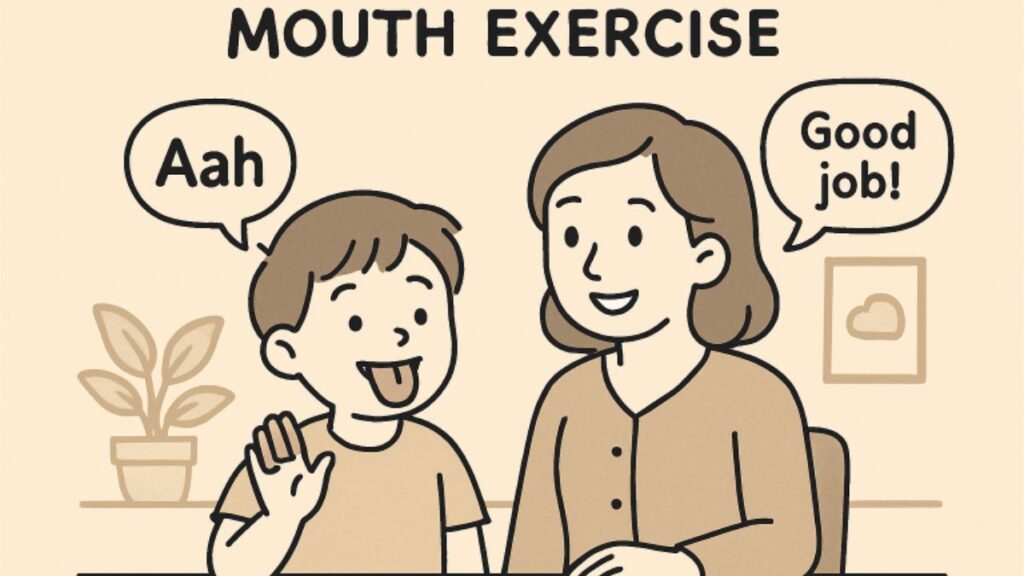
Making myofunctional therapy an integral part of a child’s everyday routine maximizes the chances of long-term improvement and success. The therapy is customized to each child’s needs and often designed as playful, interactive exercises that children enjoy. These might include activities that strengthen the tongue, lips, cheeks, and jaw, along with breathing and swallowing practice. Family participation greatly enhances results; when parents or siblings participate and provide encouragement, the child is more likely to remain enthusiastic and motivated to practice outside of scheduled therapy appointments.
Consistency is the cornerstone of success. Practicing exercises daily, integrating them into regular routines, and celebrating progress together help new muscle patterns become permanent and automatic. Families can make therapy time fun by using reward charts or turning exercises into games that fit seamlessly into morning or bedtime rituals. Regular appointments with a myofunctional therapist are essential for tracking progress, addressing any challenges, and fine-tuning exercises as a child develops and reaches new milestones. The collaborative atmosphere keeps children engaged and boosts their confidence as they witness their own success.
Collaborating with Healthcare Professionals
Optimal outcomes in myofunctional therapy are often achieved through collaboration among various healthcare professionals. Myofunctional therapists frequently work closely with pediatric dentists, orthodontists, speech-language pathologists, and sometimes pediatricians or ENT specialists. This teamwork ensures that each aspect of your child’s holistic development—including breathing, chewing, speech, sleep quality, and facial growth—is addressed with care. Coordinated efforts among experts allow for a comprehensive treatment plan that meets every child’s unique needs and ensures that all aspects of the underlying causes are managed. Communication among the care team leads to the best possible outcomes, providing a personalized, family-centered approach that extends far beyond the therapist’s office and into the child’s everyday life.
Conclusion
Myofunctional therapy is more than a set of exercises—it is a supportive and empowering pathway for children to achieve healthier oral and overall growth. By uncovering and addressing the root causes of dysfunctional habits early, families can encourage improved breathing, speech, jaw growth, and general well-being. The individually tailored, playful nature of myofunctional therapy, combined with guidance from skilled professionals and involved caregivers, creates a positive environment where healthy habits can flourish and persist throughout a child’s life. Starting early makes a difference, giving children the best chance for lifelong vibrant health and confidence.