Introduction
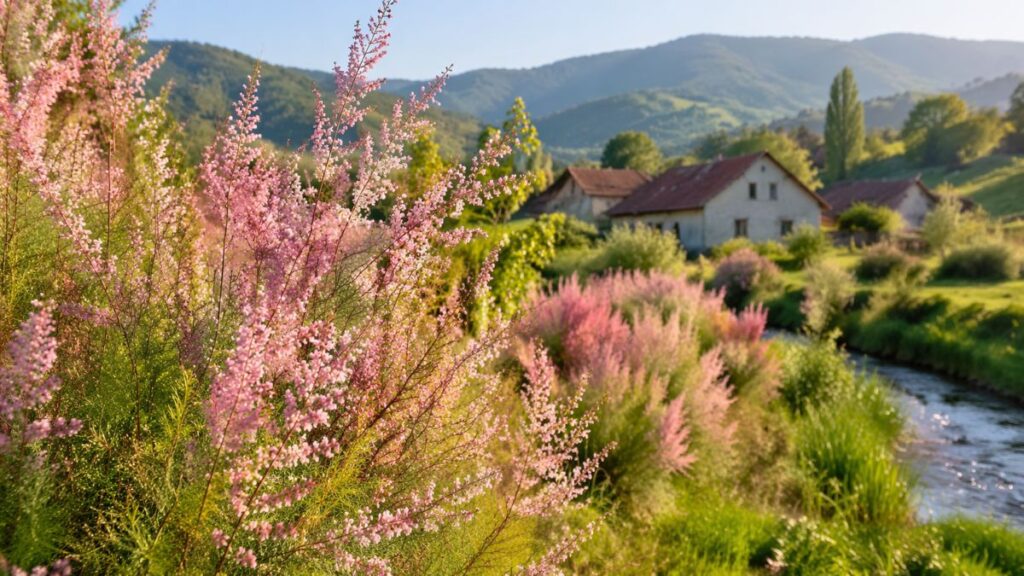
The term ракитовица may sound unfamiliar at first, yet it carries rich meaning across different cultures and regions. Whether referring to a plant, a place, or a traditional symbol, ракитовица has deep roots in Eastern European heritage. From its medicinal uses to its cultural importance, this fascinating concept continues to attract attention today.
In this guide, we’ll explore everything you need to know about ракитовица—its origins, meanings, uses, and why it still matters in modern times.
What Is Ракитовица?
Ракитовица is a versatile term with multiple meanings depending on the context. Most commonly, it refers to:
- A plant species related to tamarisk (Tamarix)
- A village or geographic location in Slavic regions
- A symbol in folklore and tradition
In botanical terms, ракитовица is associated with shrubs or small trees known for their resilience and delicate flowers.
At the same time, the name appears in place names across Eastern Europe, often describing peaceful rural areas rich in nature.
Botanical Overview of Ракитовица
Key Characteristics
Ракитовица (Tamarix) is a hardy plant known for its adaptability and unique appearance.
- Grows as a shrub or small tree
- Can reach up to 6–8 meters tall
- Features tiny, scale-like leaves
- Produces soft pink or white flowers
These plants thrive in dry or saline environments, making them ideal for challenging landscapes.
Botanical Breakdown Table
| Feature | Description |
|---|---|
| Scientific Name | Tamarix (Tamarisk) |
| Plant Type | Shrub or small tree |
| Height Range | 3–8 meters |
| Flower Color | Pink or white |
| Habitat | Dry, coastal, or saline soils |
| Growth Strength | Highly resilient |
The Complete Guide to Frehf: Meaning, Benefits, and Practical Strategies
Cultural and Historical Significance
A Symbol of Strength and Protection
In many Slavic traditions, ракитовица represents resilience and protection. It is often linked to:
- Family gatherings
- Seasonal rituals
- Spiritual symbolism
Some folklore even suggests that the plant helps ward off negative energy, making it a meaningful addition to homes and ceremonies.
A Connection to Rural Life
The name ракитовица is also tied to villages known for:
- Peaceful landscapes
- Agricultural traditions
- Close-knit communities
These places offer a glimpse into authentic countryside living, often untouched by modern tourism.
Uses of Ракитовица in Modern Life
1. Medicinal Applications
Traditionally, ракитовица has been used in herbal medicine for:
- Anti-inflammatory remedies
- Antimicrobial treatments
- Skin care solutions
However, it’s important to use it cautiously and consult experts when needed.
2. Landscaping and Environmental Benefits
Because of its durability, ракитовица is widely used for:
- Soil stabilization
- Windbreaks
- Coastal landscaping
It helps prevent erosion and supports biodiversity.
3. Decorative and Artistic Uses
The plant’s elegant appearance makes it popular in:
- Garden design
- Floral arrangements
- Artistic inspiration
Practical Uses Breakdown Table
| Use Category | Practical Application |
|---|---|
| Medicine | Herbal remedies, skin treatments |
| Environment | Erosion control, habitat support |
| Landscaping | Decorative gardens, wind protection |
| Culture | Rituals, symbolism, folklore |
Pros and Cons of Ракитовица
Pros
- Highly adaptable plant
- Rich cultural significance
- Multiple practical uses
- Low maintenance in landscaping
Cons
- Can become invasive in some regions
- Limited scientific research on medicinal use
- Requires controlled growth in gardens
Common Mistakes People Make
Understanding ракитовица correctly helps avoid confusion. Here are common mistakes:
1. Confusing It with Other Plants
Many people mix ракитовица with similar species like sea buckthorn or willow. While related in name or usage, they are different plants.
2. Overestimating Medicinal Benefits
Although traditionally used, not all health claims are scientifically proven.
3. Ignoring Regional Differences
The meaning of ракитовица changes depending on location—it can be a plant, a place, or a symbol.
Best Practices for Using Ракитовица
For Gardening
- Plant in well-drained soil
- Provide full sunlight
- Prune regularly to control growth
For Herbal Use
- Use small, controlled quantities
- Consult professionals before internal use
- Prefer external applications when possible
For Cultural Exploration
- Learn local traditions
- Respect historical context
- Explore regional variations
Comparison Table: Plant vs Place vs Symbol
| Aspect | Plant Meaning | Place Meaning | Symbolic Meaning |
|---|---|---|---|
| Definition | Tamarix shrub/tree | Village or region | Cultural representation |
| Usage | Medicine, landscaping | Tourism, living | Rituals, traditions |
| Importance | Ecological & practical | Historical & geographic | Emotional & spiritual |
Why Ракитовица Still Matters Today
Even in modern times, ракитовица continues to hold value. It represents:
- Sustainable living
- Cultural identity
- Natural resilience
As people seek deeper connections with nature and tradition, interest in ракитовица is growing once again.
Conclusion
Ракитовица is more than just a word—it’s a concept that bridges nature, culture, and history. Whether you see it as a plant, a place, or a symbol, its significance remains strong across generations.
By understanding its different meanings and uses, you can appreciate the depth behind this unique term and even incorporate it into your own lifestyle or knowledge.
FAQs
1. What does ракитовица mean?
Ракитовица can refer to a plant (tamarisk), a place, or a cultural symbol in Slavic regions.
2. Is ракитовица a medicinal plant?
Yes, it has traditional uses in herbal medicine, especially for anti-inflammatory purposes.
3. Where is ракитовица found?
It is commonly found in Eastern Europe, both as a plant and a place name.
4. Can ракитовица be grown at home?
Yes, it is a low-maintenance plant that grows well in dry and sunny conditions.
5. Why is ракитовица important in culture?
It symbolizes resilience, protection, and connection to nature in many traditions.